High-Precision Fertility Preservation
By minimizing pelvic scarring and adhesions, laparoscopic techniques help protect uterine and ovarian integrity, maintaining future fertility wherever possible.


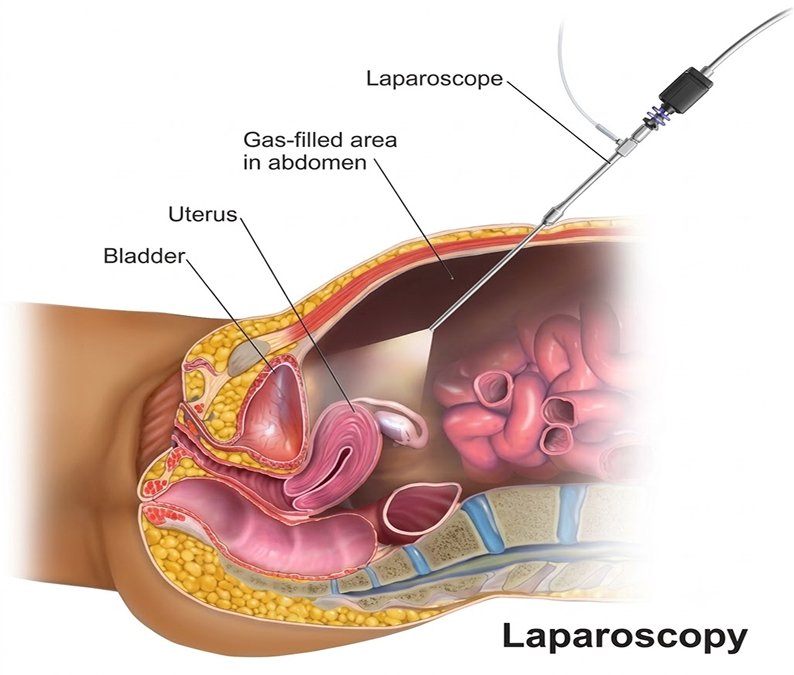
Laparoscopic surgery, commonly known as keyhole or minimally invasive surgery, is an advanced surgical technique used to diagnose and treat a wide range of gynaecological and pelvic conditions through tiny, band-aid-sized incisions. Led by Dr. Nilesh Dhakadiya (M.S. Obstetrics & Gynaecology), Jiva Women's Hospital is equipped with state-of-the-art laparoscopic technology to ensure precision, minimal tissue trauma, reduced discomfort, and significantly faster recovery.
Unlike conventional open surgery that requires a large abdominal incision, laparoscopy uses a high-definition laparoscope (a slender camera tube) and specialized micro-instruments. This allows our surgical team to clearly visualize internal reproductive organs on high-definition monitors and treat conditions like ovarian cysts, uterine fibroids, endometriosis, pelvic adhesions, and ectopic pregnancies with unparalleled accuracy while preserving healthy reproductive tissue.
Our patient-centered surgical care focuses on delivering optimal clinical results with the least physical and emotional stress. From initial diagnostic assessment to post-operative rehabilitation, our dedicated medical team provides continuous support, clear communication, and personalized attention.
Tiny keyhole incisions mean significantly less post-operative pain, minimal scarring, and lowest risk of wound complications.
Most patients are on their feet within hours of surgery and can safely return home within 24 to 48 hours.
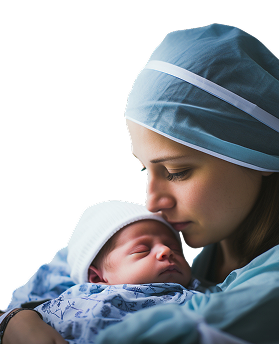

By minimizing pelvic scarring and adhesions, laparoscopic techniques help protect uterine and ovarian integrity, maintaining future fertility wherever possible.
At Jiva Women's Hospital, we provide comprehensive diagnostic and operative laparoscopic solutions customized to each woman's specific clinical diagnosis and reproductive goals.
Safe, tissue-sparing removal of ovarian cysts (dermoid, endometrioma, hemorrhagic) and laparoscopic ovarian drilling for resistant PCOS.

Precise removal of uterine fibroids while preserving the uterus (Myomectomy), or Total Laparoscopic Hysterectomy (TLH) when medically indicated.

Excision of deep pelvic endometriosis, removal of adhesions (adhesiolysis), tubal recanalization, and treatment of ectopic pregnancies.
Every surgical plan at Jiva Women's Hospital is explained transparently so you and your family feel thoroughly informed, confident, and supported throughout the entire process.
Comprehensive physical evaluation, high-resolution pelvic ultrasound, and transparent discussion of treatment options with Dr. Nilesh Dhakadiya.
Performed under gentle general anesthesia in an ultra-clean modular OT using HD laparoscopic towers and precision instruments.
Early mobilization, personalized pain management, detailed dietary advice, and scheduled follow-ups for a smooth return to routine life.
Gynaecological laparoscopy is a modern, minimally invasive surgical procedure that uses a tiny camera (laparoscope) inserted through small 0.5 to 1 cm abdominal incisions. It allows surgeons to diagnose and treat diseases of the uterus, ovaries, and fallopian tubes with high precision and minimal trauma.
Compared to traditional open surgery, laparoscopy offers smaller incisions, negligible blood loss, significantly less post-operative pain, minimal risk of infection, subtle scars, shorter hospital stays (1-2 days), and much faster recovery back to regular daily routines.
Most patients are able to walk comfortably within a few hours following the procedure and are discharged within 24 to 48 hours. Light daily household activities can usually be resumed in 4 to 7 days, with full recovery achieved within 2 to 3 weeks.
Yes. Laparoscopic myomectomy (fibroid removal) and laparoscopic cystectomy (ovarian cyst removal) are standard and preferred procedures at Jiva Women's Hospital. They allow precise removal while preserving the uterus and healthy ovarian tissue for future conception.
Prior to surgery, routine blood tests and an ultrasound are reviewed, and you will receive clear fasting guidelines (usually 6 to 8 hours before surgery). Dr. Nilesh Dhakadiya and our clinical care team will discuss all instructions and answer any questions to ensure you feel calm, confident, and well-prepared.